
Subtotal $0.00
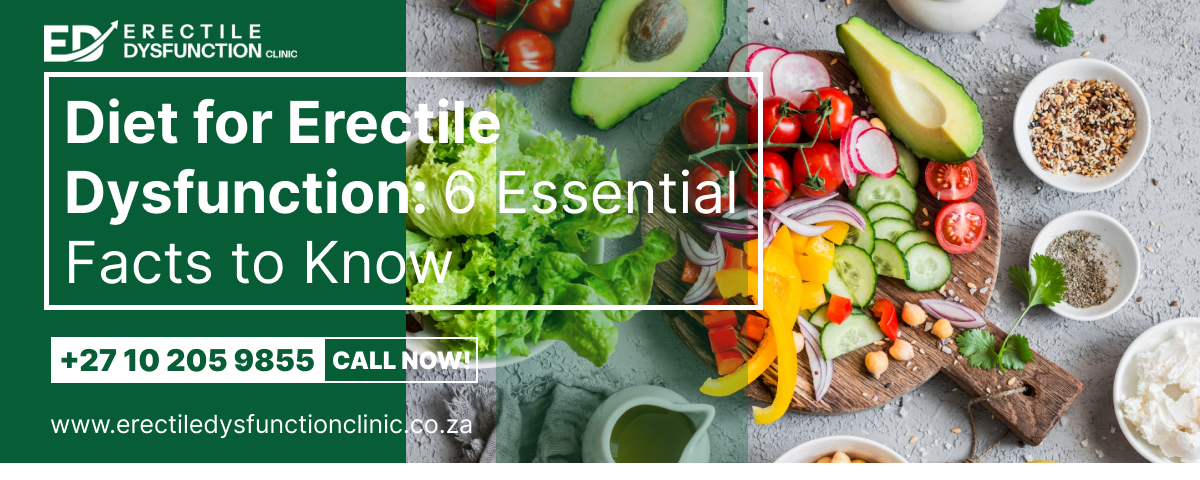
Diet for erectile dysfunction has more specific evidence behind it than “eat healthier” advice usually suggests, particular foods and dietary patterns have been studied directly, not just as part of general weight management. Here are six essential facts, including a genuinely striking finding from a study of over 50,000 men.
1. The Mediterranean Diet Has the Strongest Evidence Behind It
A systematic review in the Journal of Sexual Medicine found that in clinical trials, a Mediterranean diet, rich in fruit, vegetables, nuts, whole grains, fish and olive oil, was more effective than a control diet at improving or even restoring absent erectile function in men with obesity or metabolic syndrome. A separate 2-year trial found this same dietary pattern improved endothelial function and reduced inflammation markers alongside erectile improvement, the same underlying mechanisms covered throughout this site.
2. Flavonoid-Rich Foods Show a Genuinely Striking Effect
A joint Harvard and University of East Anglia study following over 50,000 men over years found regular consumption of flavonoid-rich foods was linked to a 9 to 11% reduction in ED risk, rising to around 21% when combined with regular exercise. Three specific flavonoid types stood out: anthocyanins, flavanones, and flavones.
3. Specific Foods Deliver Those Flavonoids
- Anthocyanins: blueberries, blackberries, cherries, radishes, black currants
- Flavanones: citrus fruits, oranges, grapefruit
- Flavones: parsley, thyme, celery, peppers
A few regular portions a week were enough to show benefit in the research, this isn’t about eating enormous quantities.
4. Nitrate and Arginine-Rich Foods Support Blood Flow Directly
Foods containing L-citrulline, L-arginine and dietary nitrates, watermelon, leafy greens like spinach, oats, and beetroot, support the same nitric oxide pathway that PDE5 inhibitor medications work through pharmacologically. This is a genuine, if more modest, dietary parallel to that mechanism.
5. Omega-3 Fats and Nuts Round Out the Picture
Oily fish and nuts, particularly walnuts and pistachios, contribute healthy fats linked to better vascular health. A large cohort study following 21,469 men found higher overall diet quality, based on Mediterranean-style or similar healthy eating patterns, was associated with lower ED risk over time.
6. No Single Food Fixes ED, the Overall Pattern Matters More
Worth being honest about: the strongest evidence points to overall dietary patterns rather than any individual “superfood.” Eating a handful of blueberries won’t undo a diet otherwise heavy in processed food and red meat. It’s the combined, sustained pattern, more plants, more fish, less processed food, that the research actually supports.
A Private Self-Check
A few questions worth reflecting on:
1. How many portions of fruit and vegetables do you eat on a typical day?
2. Do you regularly eat berries, citrus fruit, or leafy greens?
3. Is red or processed meat a small or large part of your regular diet?
4. Do you eat oily fish or nuts most weeks?
5. Would you say your overall diet leans more processed, or more whole-food based?
2. Do you regularly eat berries, citrus fruit, or leafy greens?
3. Is red or processed meat a small or large part of your regular diet?
4. Do you eat oily fish or nuts most weeks?
5. Would you say your overall diet leans more processed, or more whole-food based?
Not a diagnosis, just a way to see where your current pattern sits.
Frequently Asked Questions | Diet for Erectile Dysfunction
Can changing my diet alone fix ED?
For some men, particularly where diet is a significant contributing factor, meaningful improvement is realistic, but it’s rarely a complete fix on its own if other factors are also present.
How much do I need to change my diet to see benefit?
Research suggests a few regular portions of flavonoid-rich foods a week showed measurable benefit, this is about consistent pattern change, not extreme restriction.
How long before dietary changes show a difference?
Supporting studies typically ran over months to years, this is a gradual, sustained-effort change rather than a quick fix.
Is red wine actually beneficial, as some sources suggest?
Red wine does contain flavonoids linked to benefit in some studies, but this doesn’t mean drinking more is better, heavy alcohol use independently harms erectile function, as covered in our smoking and alcohol guide.
Do I need supplements to get these benefits?
No, the research is based on whole foods, not isolated flavonoid supplements, which haven’t shown the same consistent benefit.
Should I combine dietary changes with exercise?
Yes, the research specifically found combining flavonoid-rich eating with regular exercise produced a larger effect than either alone.
Reviewed by George Mulaudzi, Naturopath, Erectile Dysfunction Clinic. This article provides general educational information and is not a substitute for personalised medical advice, diagnosis or emergency care. Dietary change is a supportive measure and does not replace assessment or treatment of underlying causes of erectile dysfunction.


Comments are closed